Data + voter contact
Precision data for a history-making upset.
How targeting, rapid voter contact, and real-time modeling supported Alaska's first Democratic House win in roughly 50 years.
calls made in two weeks
turnout projection error
targeting universes
Election outcomes are public results. Program metrics are based on NWF campaign data and should be read within the engagement scope described below.
The constraint that defined the work.
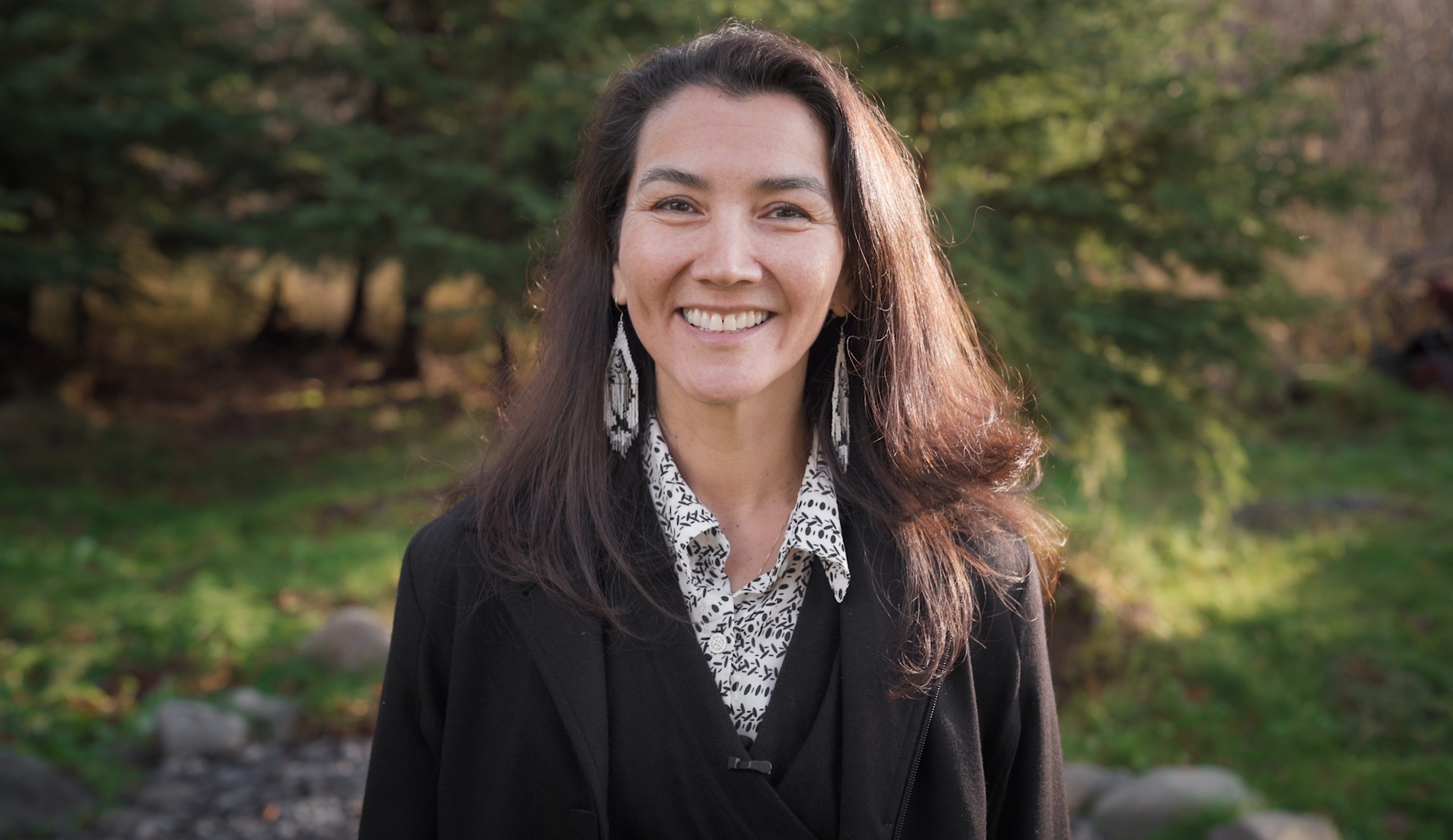
One month before Alaska's at-large special election, NWF joined a campaign navigating a historically Republican electorate and the state's first ranked-choice federal election. The team needed to mobilize quickly, teach voters a new ballot system, and make every contact count across an enormous state.
NWF scope + system
What NWF Strategies worked on for Mary Peltola.
We combined field strategy with live data systems so targeting, scripts, and resource decisions could improve throughout the final weeks.
Teach the ballot
Ranked-choice education was embedded into outreach so supporters understood how to cast a valid ballot and continue through later rounds.
Branch the message
Scripts changed by audience and issue, helping volunteers meet voters with a message relevant to their priorities.
Model in real time
Turnout projections, sentiment signals, and live dashboards guided more than 200 ad universes and helped reverse an early-vote deficit in Juneau.
Execution + result
40K
NWF's fellowship program delivered 40,000 calls in two weeks—half of the campaign's total. Turnout modeling finished within 0.3% of the final result, targeting increased participation among low-propensity voters by 27%, and refined messages improved conversion among Republican and swing voters by 15%.
Capability demonstrated
An operating system that turns information into action.
The reusable capability is the workflow: define the audience, build a live view of performance, route information to operators, and use what happens in the field to improve the next deployment.
 NWF / 2026
Fundraising · Florida Democratic Senate Primary
From underdog to No. 3 on ActBlue.
Nearly $1 million before Election Day. Another $1.3 million in less than a week after one of the cycle's biggest upsets.
 NWF / 2024
Fundraising + digital
From an $89,989 quarter to a $1.02 million quarter.
How a disciplined finance program grew receipts from $89,989 in Q2 2023 to $1.02 million in Q4, followed by about $920,000 from January 1 through April 3, 2024.
 NWF / 2026
Digital fundraising
$400K raised. Zero dollars spent acquiring a list.
$400K+ raised through digital in five months—with zero list acquisition and zero list edits. Pure execution on the existing universe.